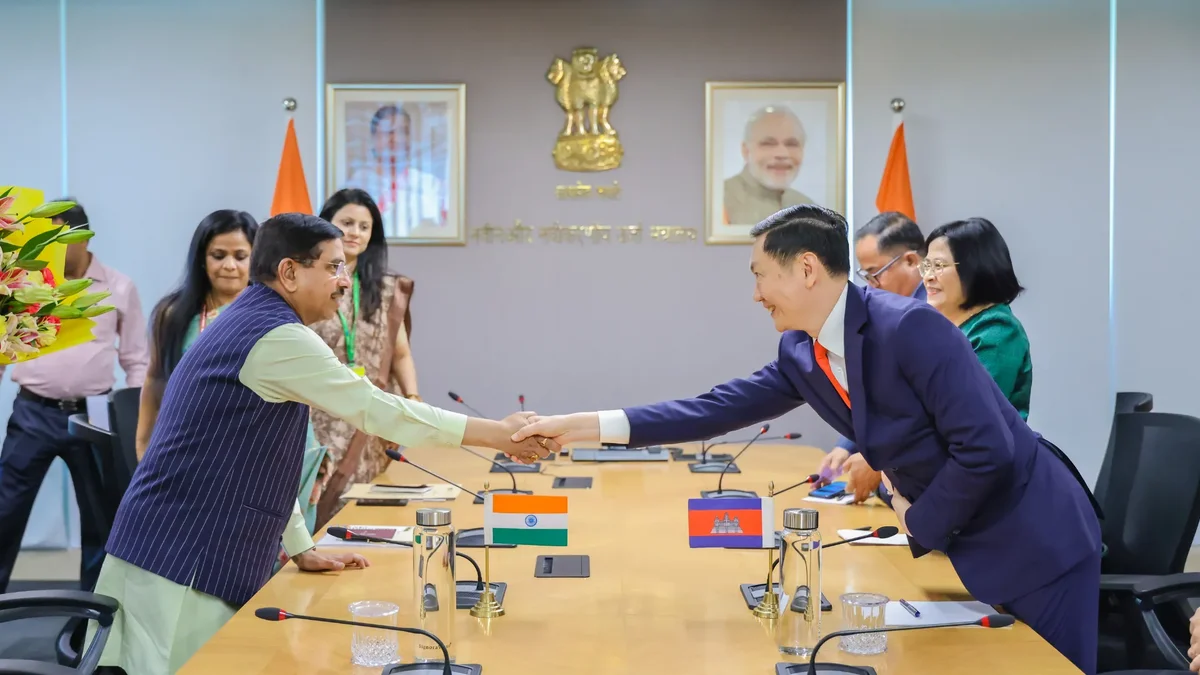
H.E. Keo Rottanak, Minister of Mines and Energy and Third Vice-Chairman of the Council for the Development of Cambodia, recently concluded a working visit to New Delhi focused on deepening Cambodia–India cooperation on clean energy and infrastructure.
The visit came at a time when Cambodia is working to reduce exposure to imported fuel, expand clean power, and strengthen the reliability and competitiveness of its energy system. It also reflected the growing importance of India as a partner in renewable energy, infrastructure finance, technology transfer and capacity building.
On 29 April, H.E. Keo Rottanak met H.E. Pralhad Joshi, India’s Minister of New and Renewable Energy. The Cambodian delegation expressed interest in India’s rapid renewable expansion and in practical cooperation on solar-powered irrigation. Minister Joshi highlighted India’s experience through programmes such as PM-KUSUM and PM Surya Ghar, and expressed India’s readiness to support Cambodia’s sustainable energy ecosystem.
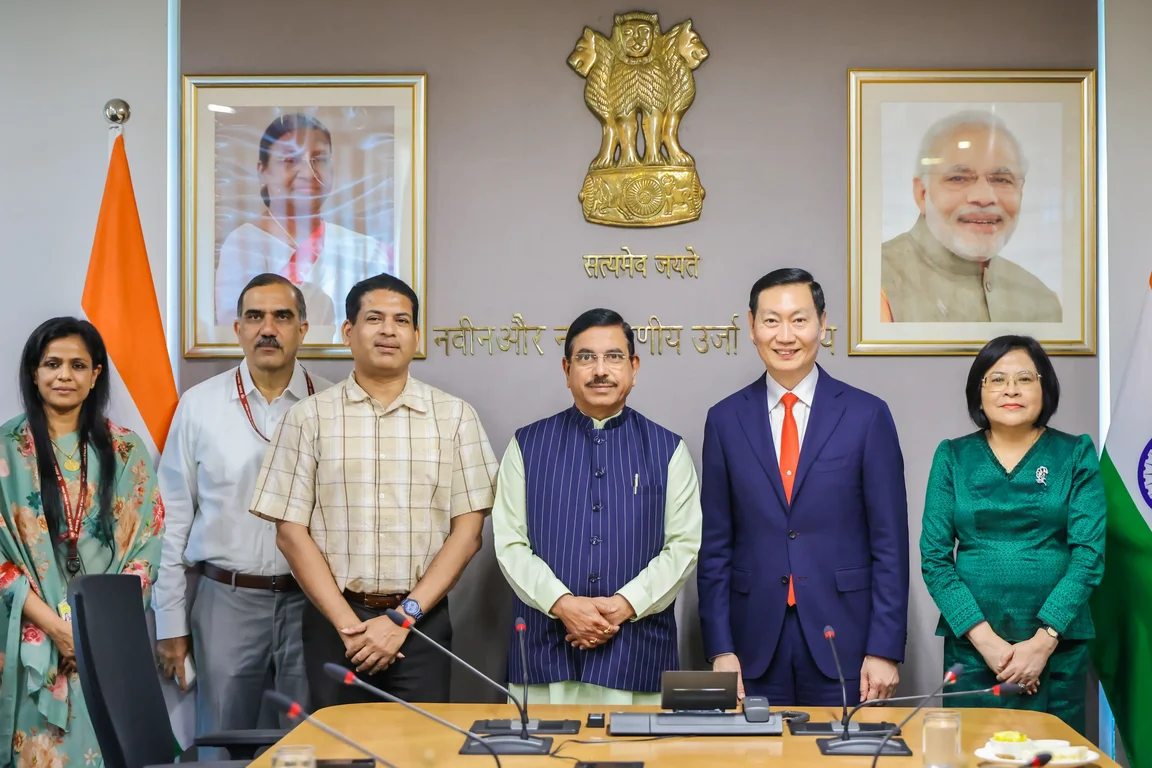
The discussion pointed to several areas of potential cooperation between the two countries, including solar-powered irrigation, decentralised power, technical training and clean-energy finance. PM-KUSUM, which has already deployed solar pumps to hundreds of thousands of Indian farmers, offers a particularly relevant template for Cambodia, where rural electrification shapes agricultural productivity and household incomes.
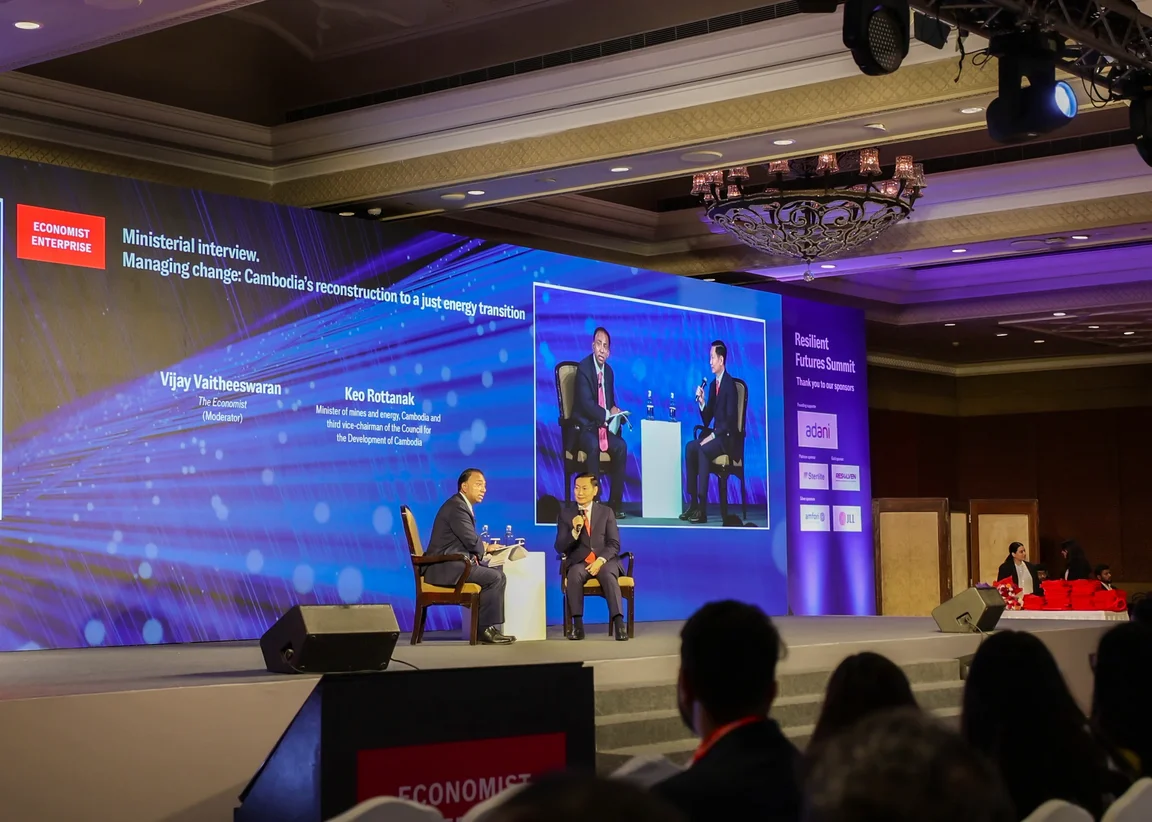
During the visit, the Minister also took part in the Economist Enterprise’s Summit in New Delhi. The summit brought together government, business and policy leaders to discuss resilience across energy, food, water, cities and infrastructure. His ministerial interview, titled “Managing change: Cambodia’s reconstruction to a just energy transition,” placed Cambodia’s energy story within a wider regional context. Cambodia’s experience has moved from post-conflict reconstruction and rapid electrification toward a new phase focused on mobilising investment, connecting to the regional grid and ensuring the shift away from fossil fuels remains fair for households and industry alike.
In remarks to Indian media, H.E. Keo Rottanak underlined Cambodia’s interest in deeper cooperation with India on infrastructure financing, technology transfer and investment to accelerate the clean-energy transition. The Minister said Cambodia’s experience shows why energy security and clean-energy transition must move together. While Cambodia remains dependent on imported oil and gas, he noted that the country’s electricity system already benefits from a high share of renewable capacity. He said ASEAN connectivity would be increasingly important, adding: “If we could move to the ASEAN Power Grid, then external shocks… would be minimised, and it would make our energy system more resilient.”
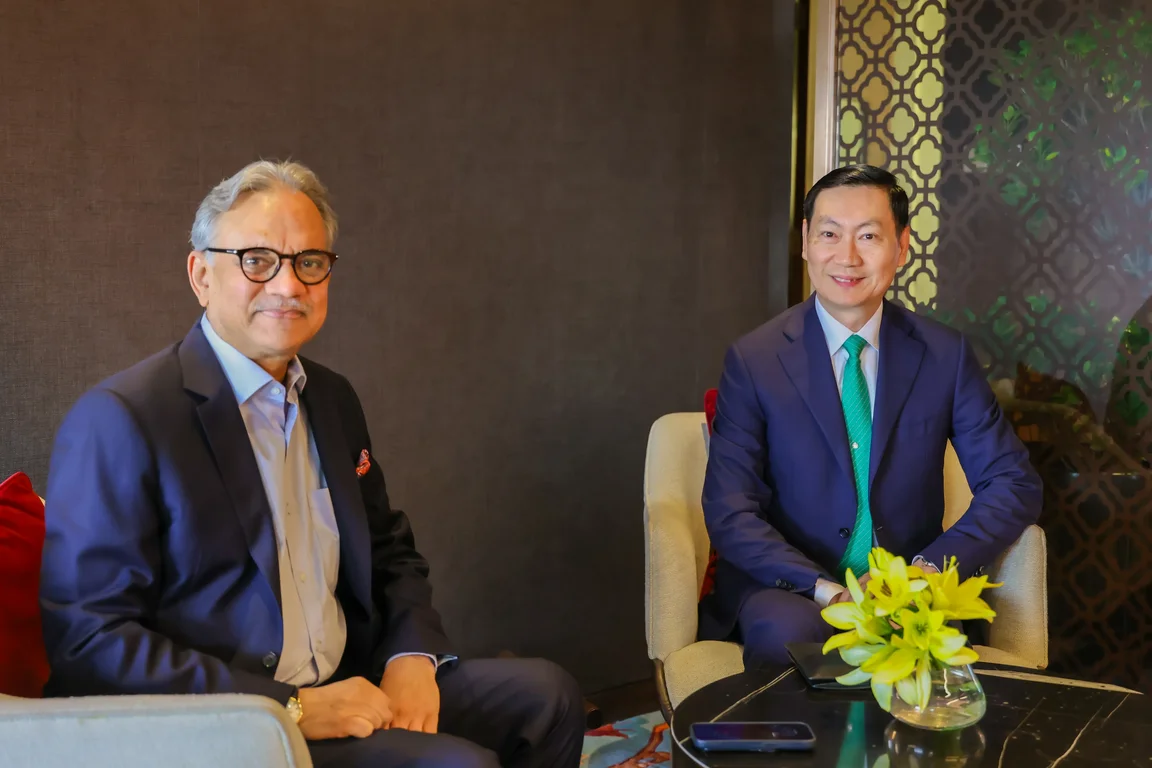
The India visit also included engagement with the Adani Group, a founding supporter of the Resilient Futures Summit and one of India’s largest infrastructure and energy groups, where exchanges touched on Cambodia’s clean-energy ambitions.
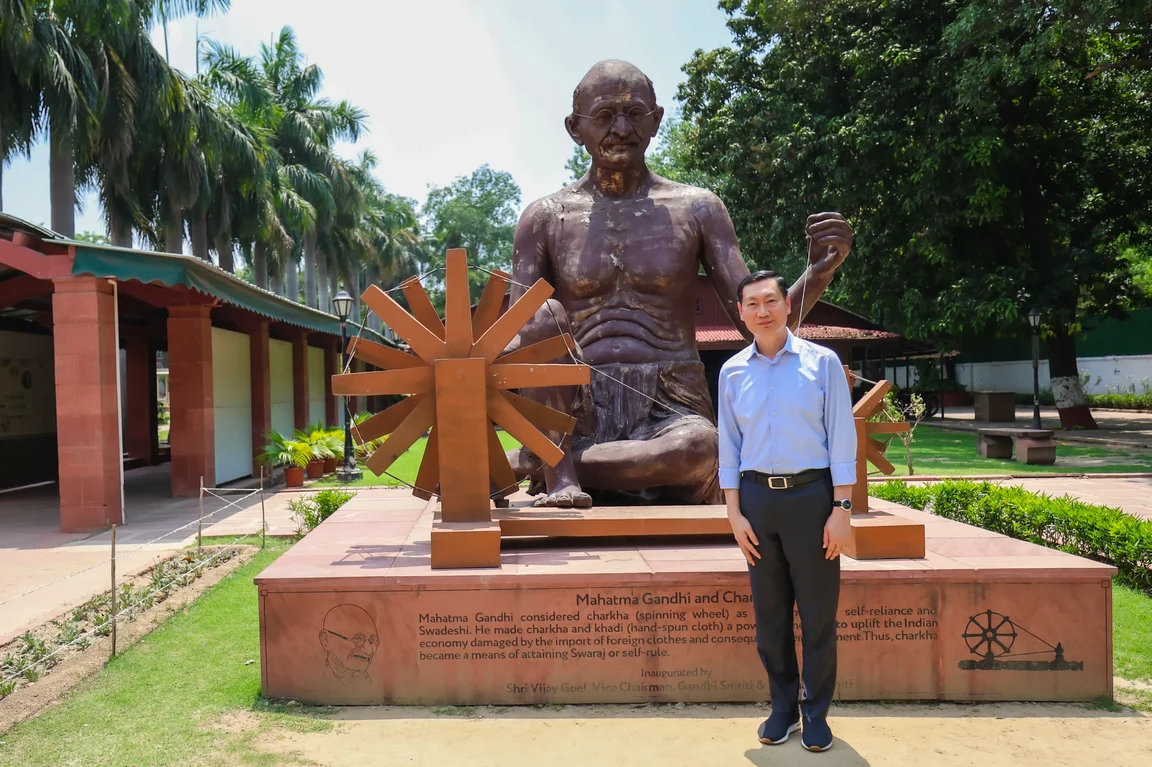
The visit concluded with a tribute to Mahatma Gandhi at Gandhi Smriti in New Delhi. It carried particular symbolic importance as Cambodia and India prepare to mark the 75th anniversary of diplomatic relations. H.E. Keo Rottanak noted that Mahatma Gandhi is deeply respected in Cambodia, and that the statue of Gandhi at Freedom Park in Phnom Penh reflects the long-standing friendship between Cambodia and India.
The engagements in New Delhi reflected a broadening Cambodia–India partnership. Clean energy was the central focus, but the conversations extended into investment, technology and agriculture, threads that run alongside the long-standing friendship between the two countries.
Cambodia will continue working with India and other partners to expand clean-power capacity, mobilise investment and keep the energy transition on track.
- MME
- Keo Rottanak
- Pralhad Joshi
- Adani Group
- Economist Enterprise
- EconResilientFutures
- Gandhi Smriti
- Cambodia–India Relations